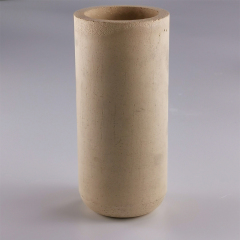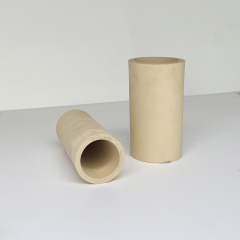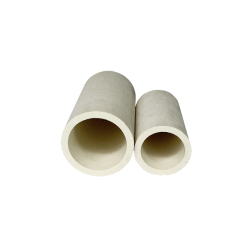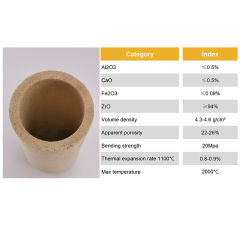
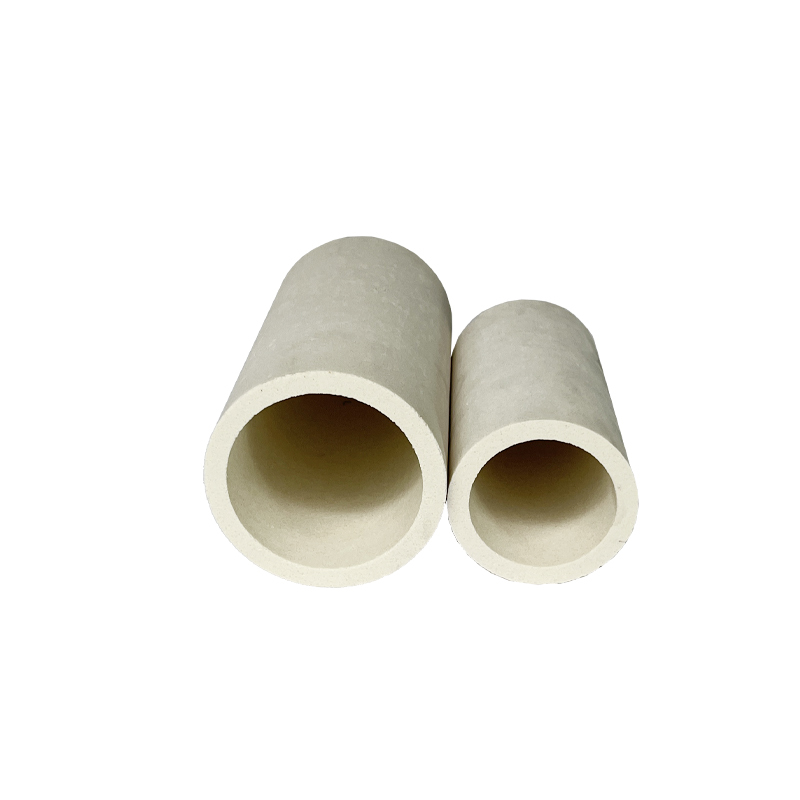
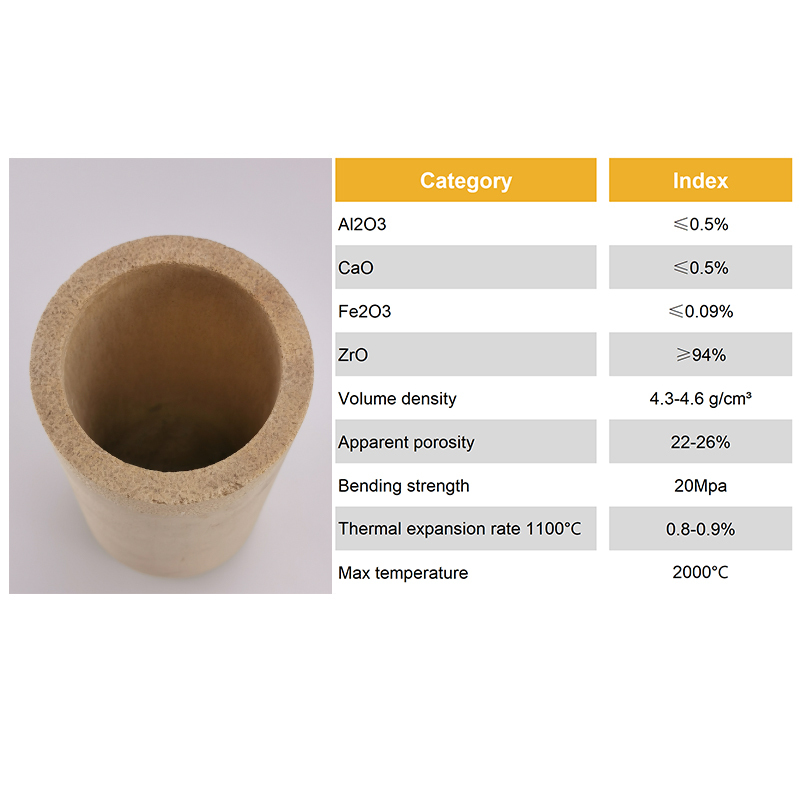
High Purity: The purity of Taeantech zirconia crucibles usually reaches 99.99%. During the use of metal smelting, no impurities will be introduced into the molten metal, ensuring the purity of the molten metal.
High Temperature and Durability: The maximum operating temperature of high-purity zirconia crucibles can reach above 2200℃. They can work stably for a long time in a high temperature environment and are not easy to break. They are suitable for the melting of most metals.
Long Service Life: High-purity zirconia crucibles are resistant and not easy to damage. Even in a rapidly cold and hot working environment, they can maintain stable performance for a long time, reducing the frequency and cost of replacing the crucible and extending the service life.
Chemical Stability: High-purity zirconia crucibles show good chemical stability to high-temperature molten metal. It will not react chemically with it, thus ensuring the long-term stability of high-purity zirconia crucibles in high-temperature harsh environments.
High Strength: Zirconia has the characteristics of high strength, which helps to maintain the dimensional stability of the crucible at high temperatures, without deformation loss, and reducing the risk of rupture caused by thermal stress.
Environmental Protection: Zirconia is a non-toxic and harmless material. It will not produce any harmful substances to pollute the environment during the metal smelting process. It can be recycled and reused, which meets the environmental protection requirements of various countries.


Yes. The crucible shows no reaction with platinum, so the metal stays clean through the melt and you are not fighting pickup at the assay stage. That is what makes it a workable high temperature zirconia crucible for platinum melting. Before you order, match the crucible's outer dimensions and usable capacity to your furnace chamber or coil, and give it a slow first heat rather than dropping it in cold.
It does. This zirconia crucible is built for gold melting machine and casting machine workflows where metal quality and purity matter, and it sits in the same position as the crucible you run now. Fit is the thing to settle before you order: measure the seat diameter, overall height and pour clearance inside your machine, then match the crucible to those numbers rather than to the machine's capacity rating.
Purity is the point. The zirconia content runs up to 99.99% with no impurities, so the crucible does not give up material into your melt and your alloy chemistry stays where you set it. That matters most across repeat melts, where small pickup accumulates into a failed assay. Keep the crucible clean and dry between heats, and keep different alloys on separate crucibles if you track contamination closely.
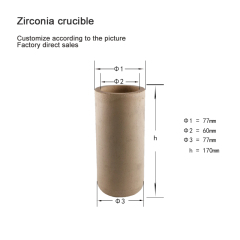
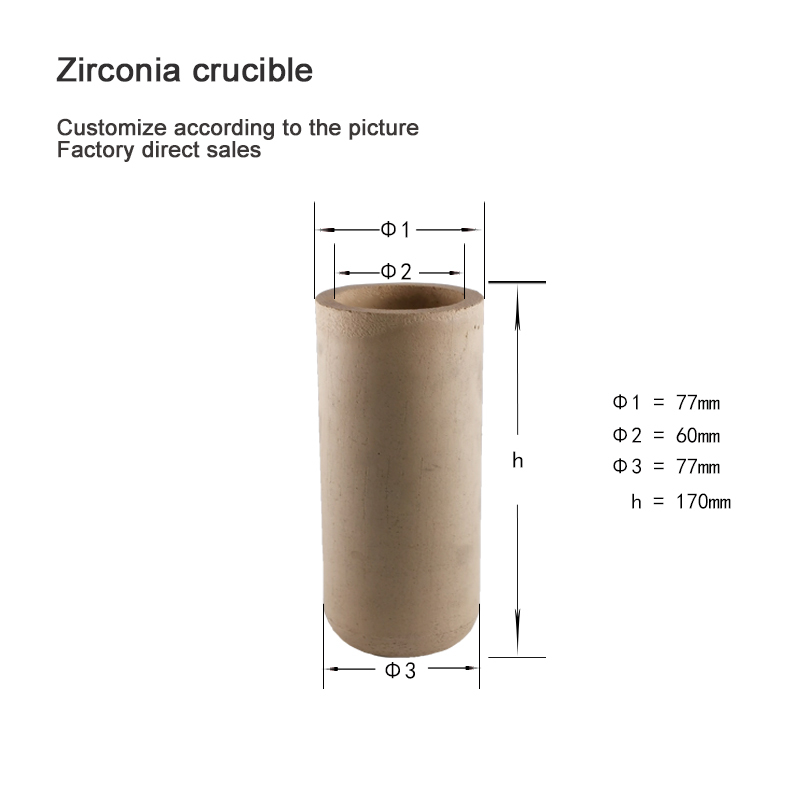
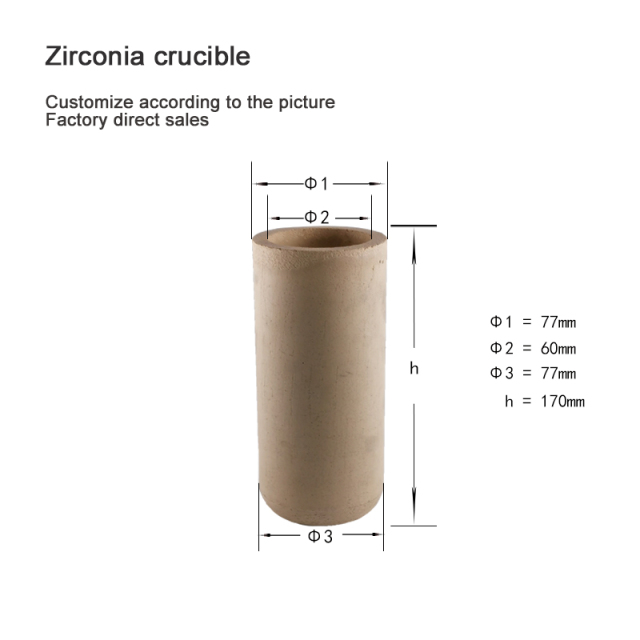
Yes, custom-shaped crucibles are available, and as a zirconia crucible manufacturer we make them to your industrial setup rather than forcing yours to fit a stock form. Send a drawing or a sample of the shape you run now, with internal dimensions, wall thickness and the metal volume it must hold. Be specific about the pour lip and how it seats in the furnace, because that is what the shape is built from.
Yes. It handles up to 2200°C and stays stable at 1900°C, so a 1900°C process sits inside the working range with headroom above it rather than at the limit. Check where your thermocouple reads, though: the temperature that matters is the crucible wall, not the setpoint on the controller. If your peak runs close to 2200°C, tell us the cycle so the shape and wall suit it.
It resists cracking under rapid heating or cooling, so a fast turnaround between melts is not the risk it is with a weaker ceramic. No single ramp rate suits every furnace, so start on your normal heating schedule and shorten it only if the crucible stays sound after the first few heats. Inspect the wall and base, where a crack shows first, and keep the outside dry before each run.