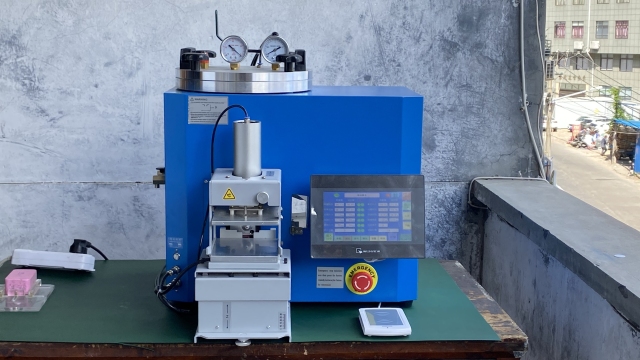
|
Model No. |
TA-VWI | ||
|
Voltage |
Single phase 220V±10% 50Hz/60Hz | ||
|
Power Supply |
510W |
||
|
Compressed air |
0.4-0.7Mpa |
||
|
Pressure gauge |
0-0.2Mpa |
||
|
Temp range |
55°C-85°C |
||
|
Dimensions |
450*310*450mm |
||
|
Weight |
38kg |
||
Yes — it runs on single-phase 220V±10% at either 50Hz or 60Hz, so the same vacuum wax injector works in both 50Hz and 60Hz markets with no change of setup. That matters if you buy for a workshop in one country and later move it to another. Check your actual supply voltage stays inside that tolerance before you wire it in, and confirm the outlet is single phase, not a three-phase tap.
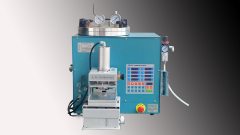
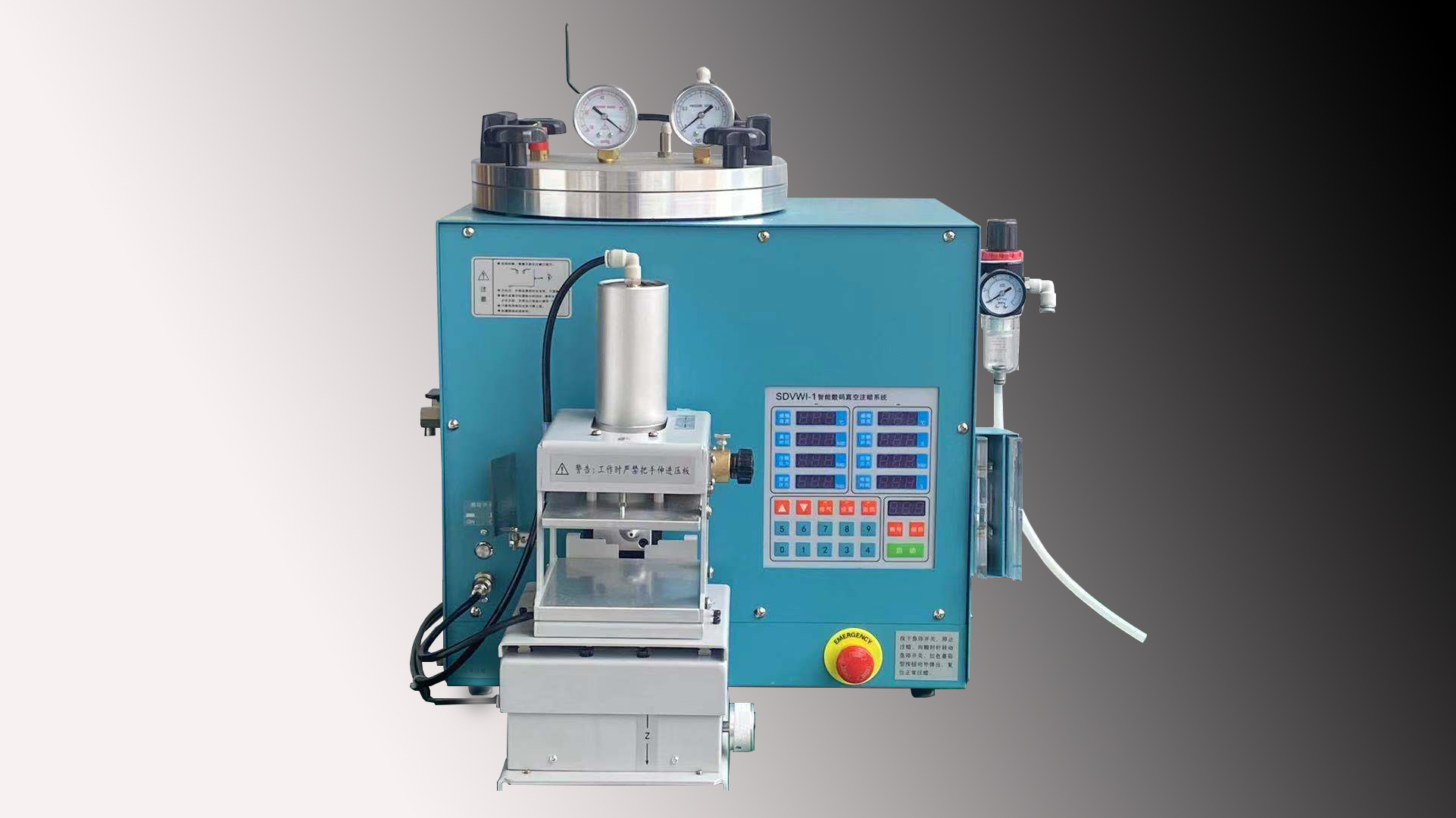
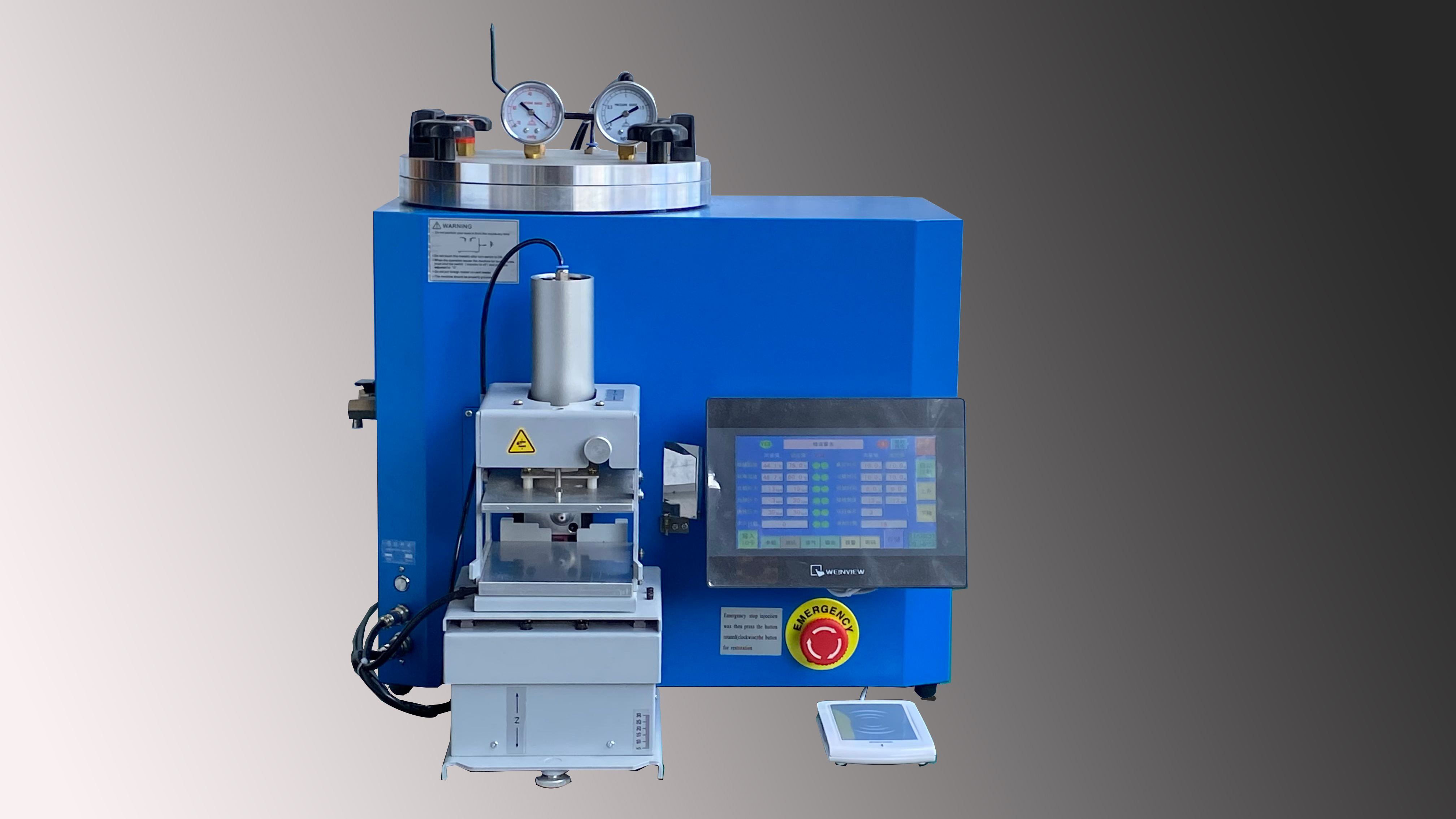
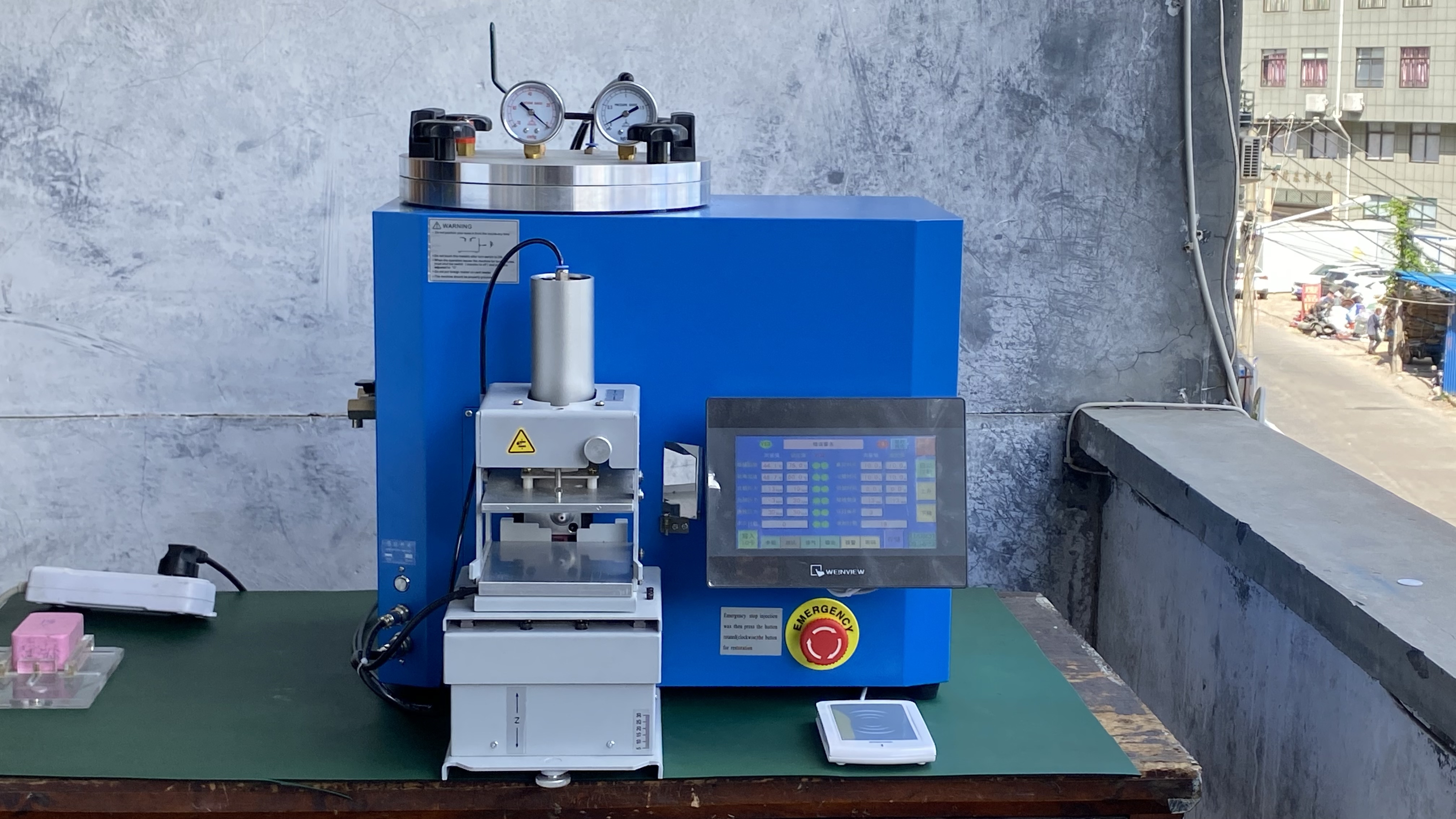
It measures 450*310*450mm and weighs 38kg, so it suits a bench-top spot rather than a floor-standing one, and the surface under it must carry that weight without flexing. Measure your bench depth and leave room to reach the controls and the mould area. If the bench is shared with burnout or investment work, give this vacuum wax injection machine for jewelry casting its own level spot.
Yes — the TA-VWI runs on single-phase 220V±10% at either 50Hz or 60Hz, so a normal single-phase workshop outlet is what you need. Confirm the socket you plan to use is single phase and holds within that voltage tolerance under load, and check it stays free while other bench equipment runs. If your building supplies something different, settle how you will feed the machine before installation.
It draws 510W, a modest load that sits comfortably on an ordinary single-phase circuit alongside hand tools and bench lighting. What matters more than the total capacity of your building supply is whether the socket you plan to use stays live while other equipment runs. A dedicated outlet near the bench keeps the vacuum wax injector on a steady supply and saves you resetting a shared circuit mid-batch.
As a jewelry wax injector manufacturer, we include a one-year free warranty from the date of purchase on every machine, along with one-on-one teaching guidance from our engineers so your operator can dial in settings on your own wax and moulds. Use that guidance early rather than after your first full batch; it shortens the learning curve. The warranty clock starts at purchase, so keep the invoice date on file.
Yes. It runs on compressed air at 0.4-0.7Mpa, so you need an air line at the bench, not just power. Fit a regulator you can set inside that band and watch that the pressure holds through a full shot, because a supply that sags mid-injection shows up in your wax pattern. If your shop has no air line yet, plan the compressor and filter before the machine lands.