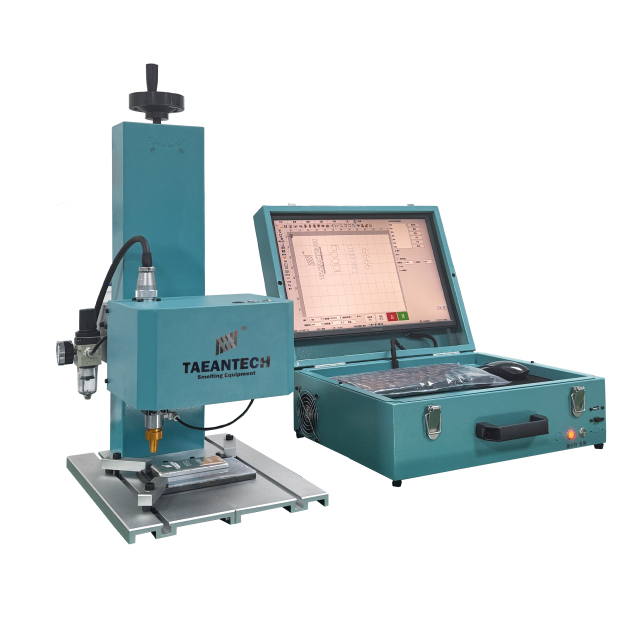
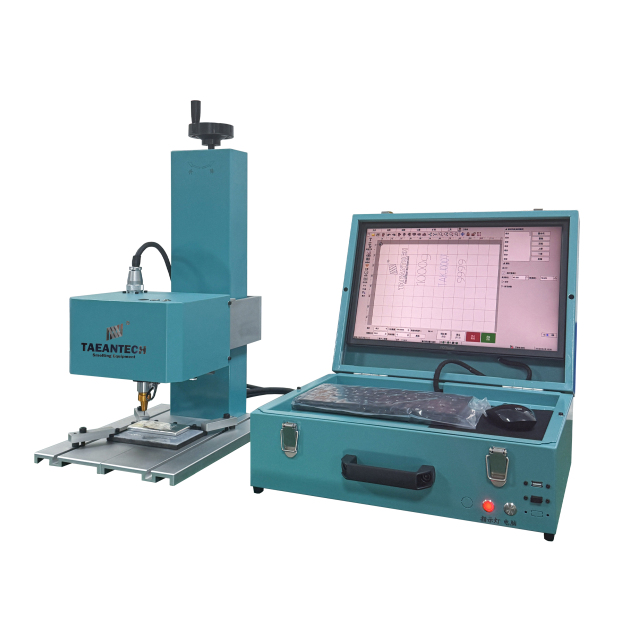
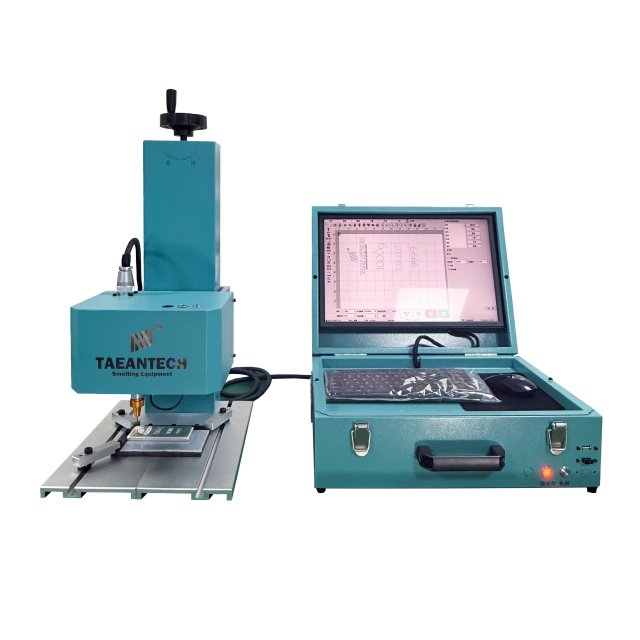
|
Model No. |
TA-PM | ||
|
Voltage |
Single phase 220V±10% 50Hz | ||
|
Power Supply |
1KW |
||
|
Compressed air |
0.3-0.6Mpa |
||
|
Relative Temp |
<90% 25℃ |
||
|
Printing range |
120*80mm(Customized according to the model) |
||
|
Making Depth |
0.01-2mm |
||
|
Making Speed |
Can be Adjust to 3-5 size 2character or 60mm straight lines per second |
||
|
Dimensions |
|||
|
Weight |
|||
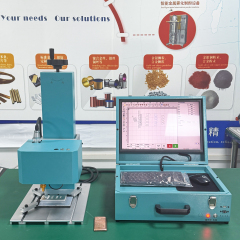
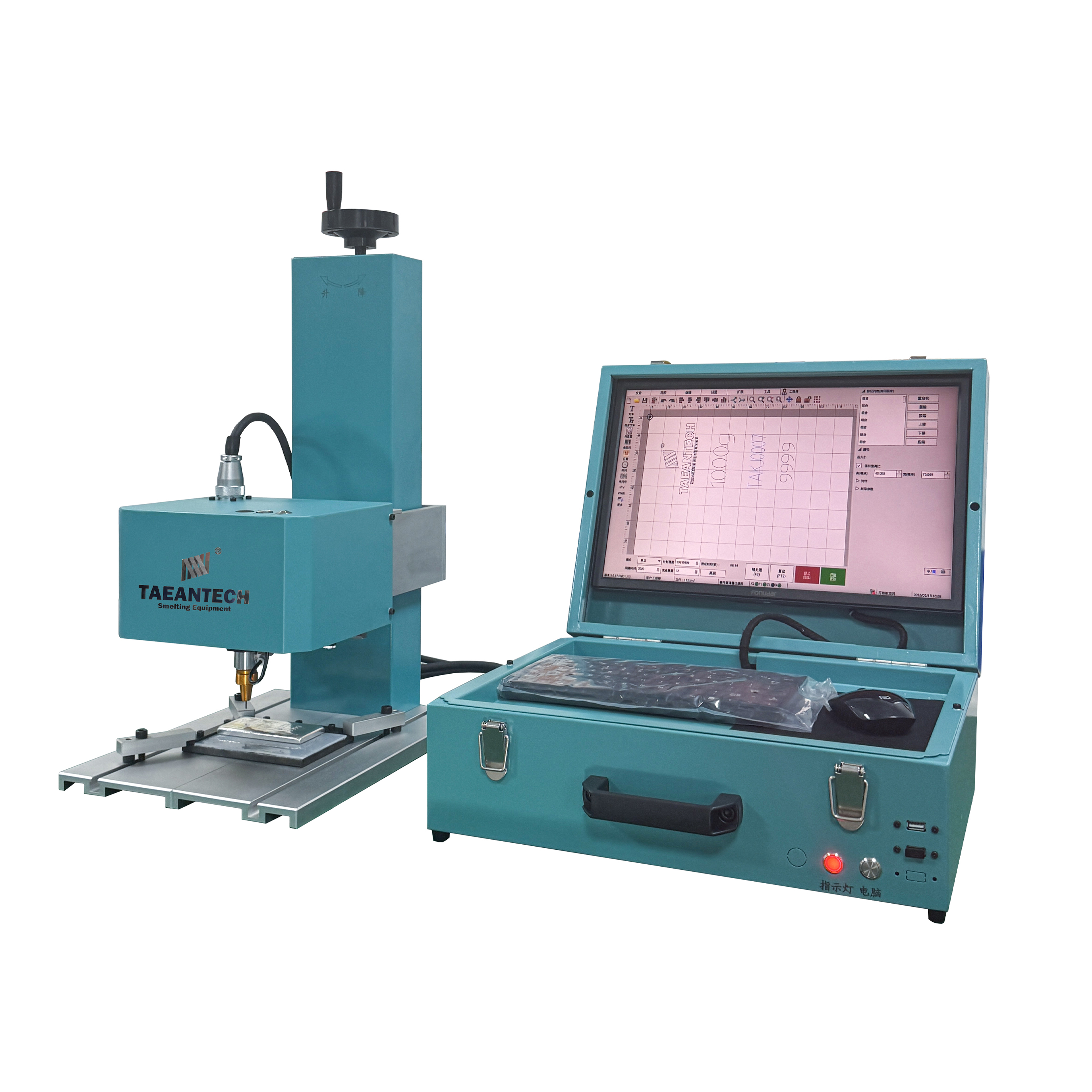
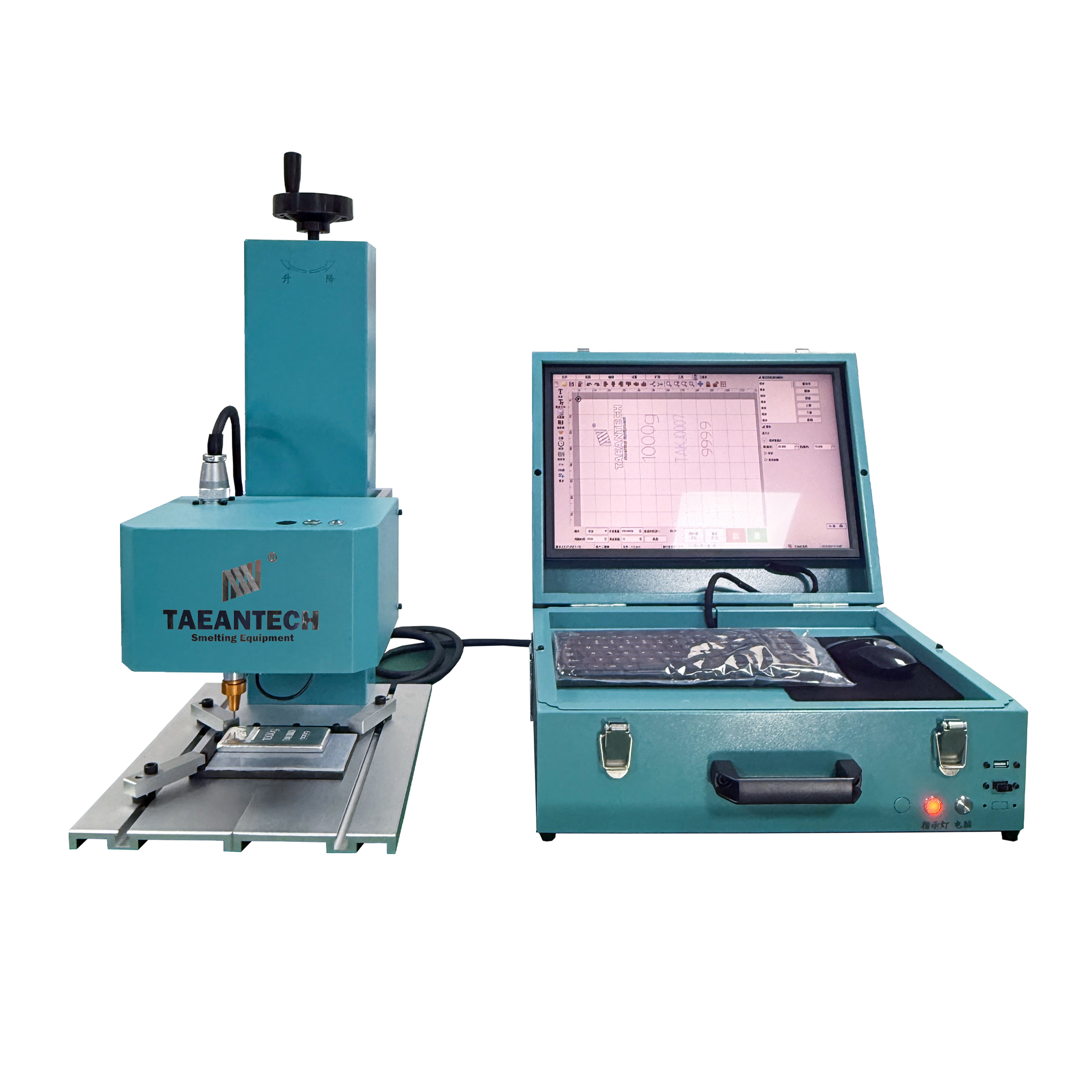
Yes, provided the mark itself sits inside 120×80 mm. Measure the layout you need to mark, not the whole part — a large bracket is fine as long as the characters or lines fall within that window. If your layout is bigger, the printing range is customized according to the model, so tell us the marking area and the part when you specify the machine.
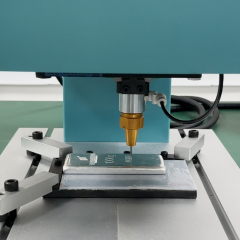
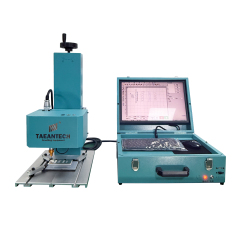
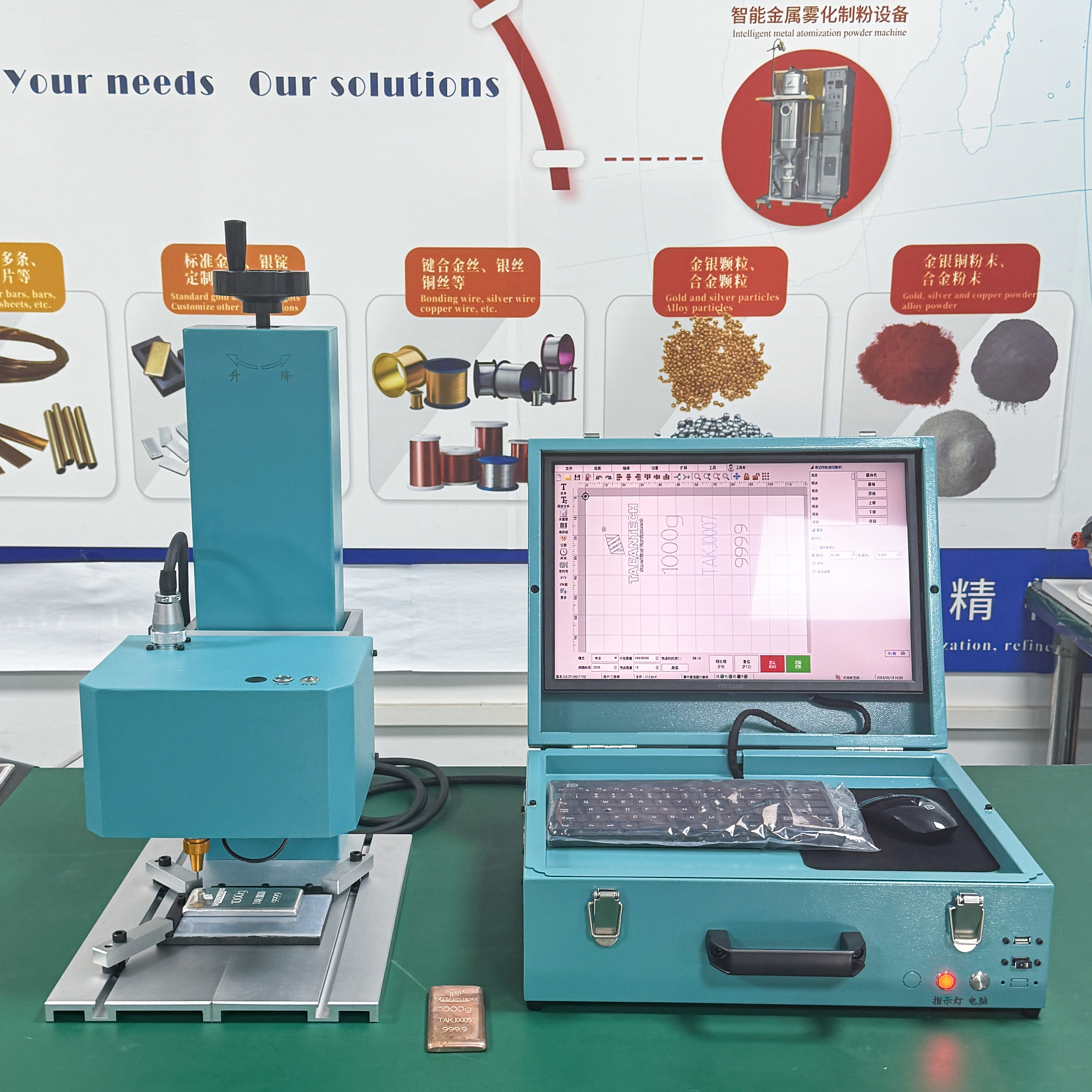
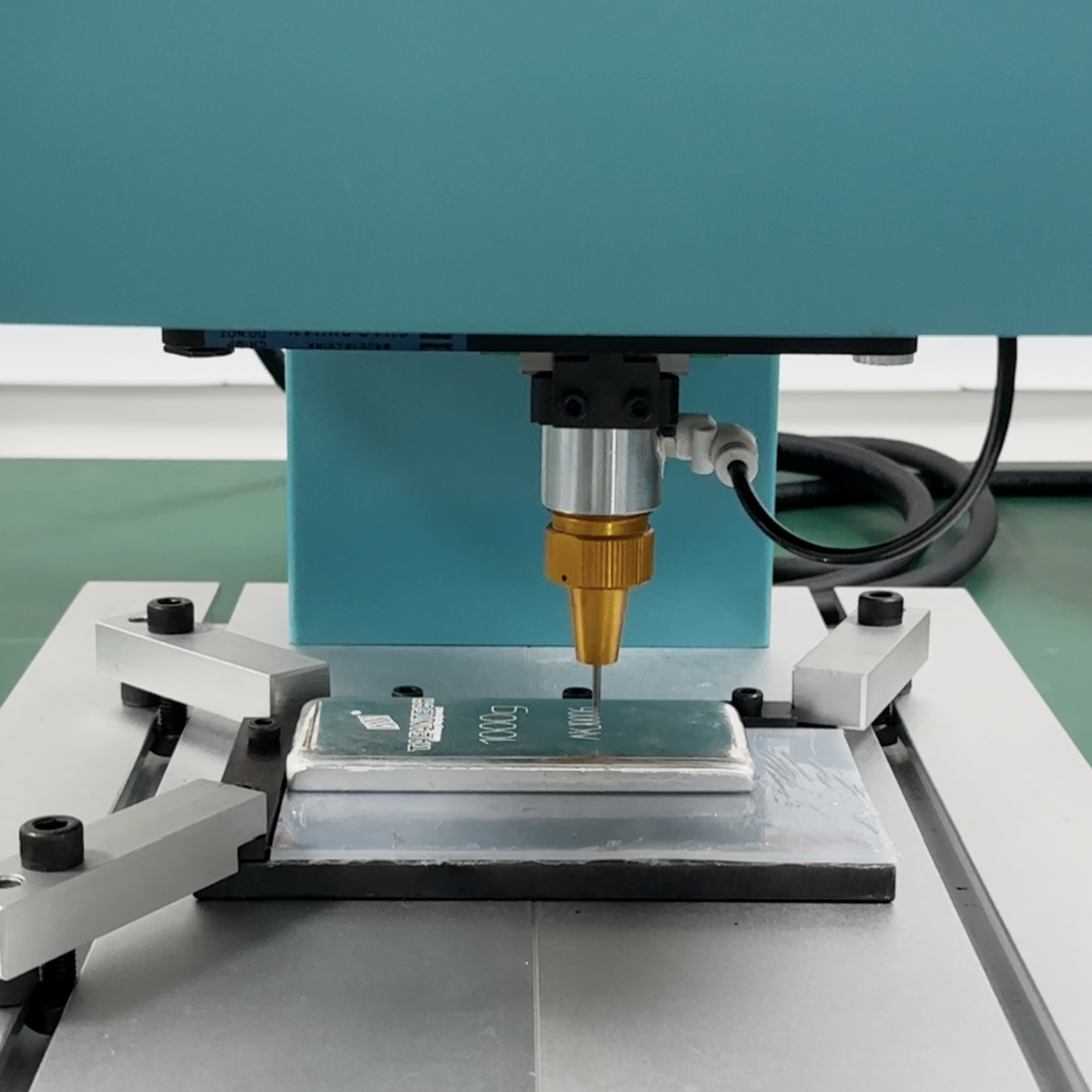
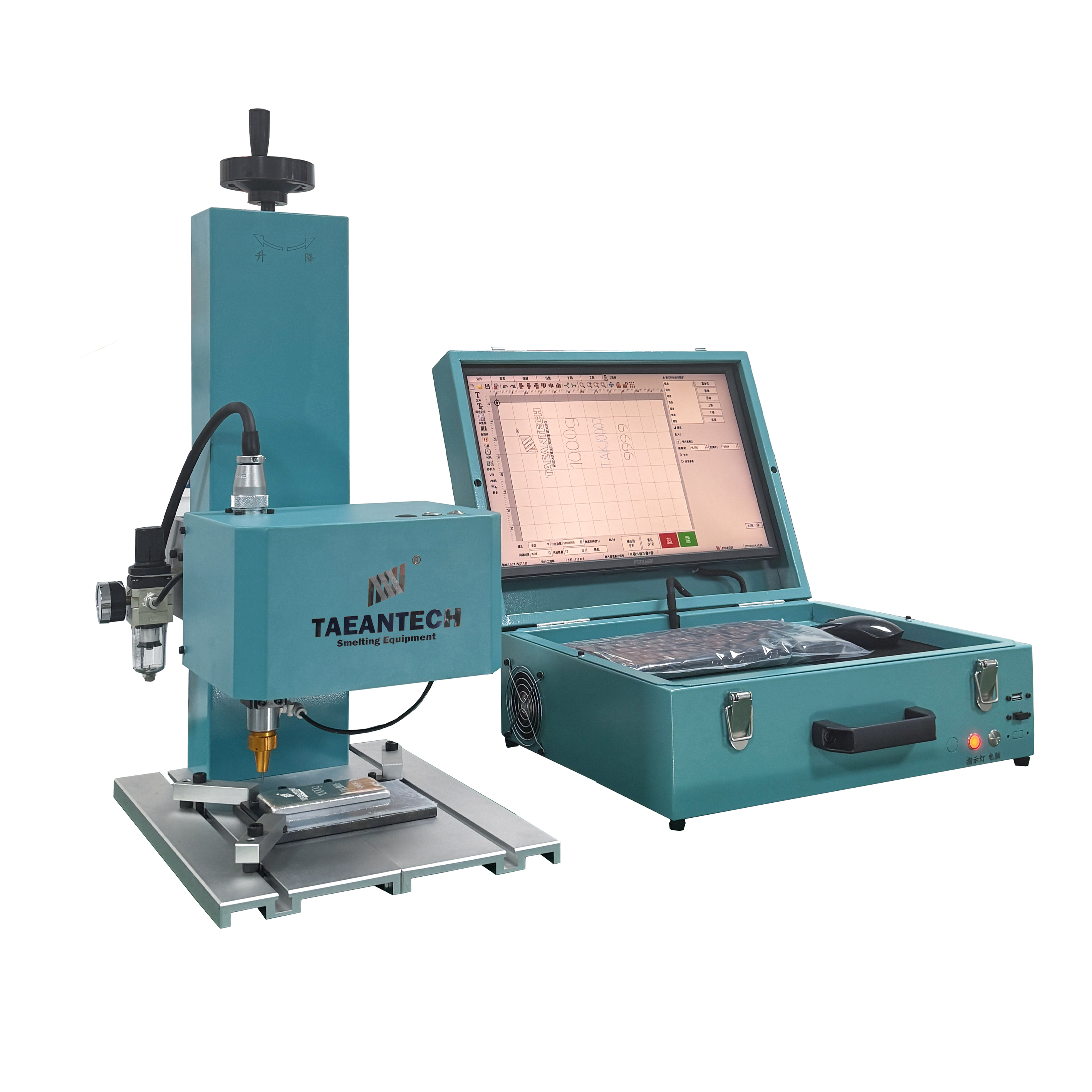
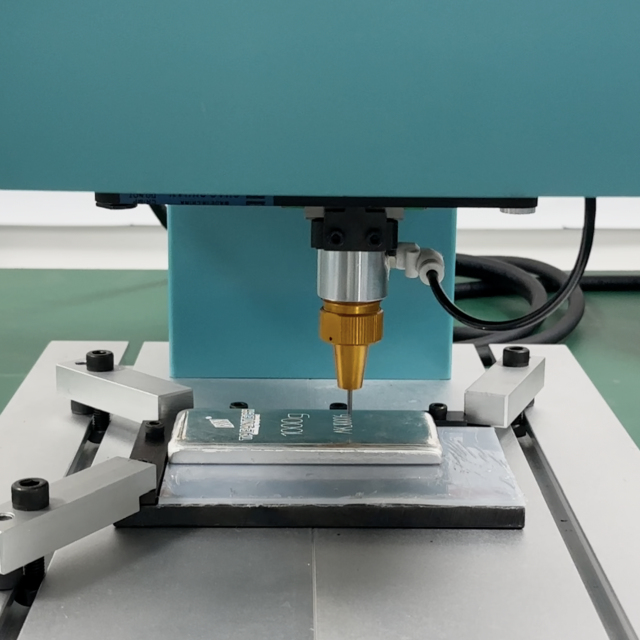
On this mini pneumatic marking machine for metal stamping, depth is adjustable, with 2 mm at the deep end of the range. Set the depth to suit your metal and the durability you need: a light cosmetic mark for soft stock, a deeper mark where the part sees handling. Run a test on your own workpiece before a production batch, and ask your pneumatic marking machine supplier to confirm the setting for your material.
Speed is adjustable: expect 3-5 size 2 characters per second, or 60 mm of straight line per second. Small characters cost more time per mark, so estimate job time from the character count rather than the part's overall length. Long lines and simple layouts run quickly; dense text panels are where you should check the cycle against your takt time.
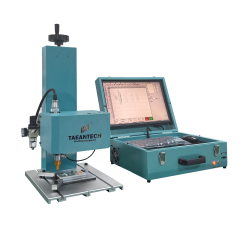
The pneumatic marking machine runs on shop air at 0.3-0.6Mpa, which is normal compressed-air territory for most workshops. Fit a regulator at the tool and hold the pressure steady through the stroke, because a supply that sags mid-mark gives you uneven depth. If your compressor already runs close to its limit, ask us for the air consumption figure and check it against your line.
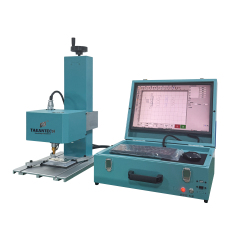
Yes, the marking action is pneumatic, driven by the compressed air supply rather than by an operator lever or a hydraulic circuit. Each strike is set by the air pressure you dial in, not by how hard someone pushes, so depth holds consistent from mark to mark. That makes it quicker to bring new operators up to a repeatable mark on your parts.
You get a one-year free warranty from the date of purchase, and professional engineers give one-on-one teaching guidance alongside it. Record the purchase date and keep it with the machine so a claim is straightforward later. Use the guidance early: have your operators bring their own parts and the depths they need, so the setup they learn matches the work you actually run.