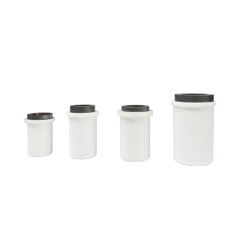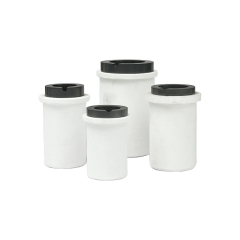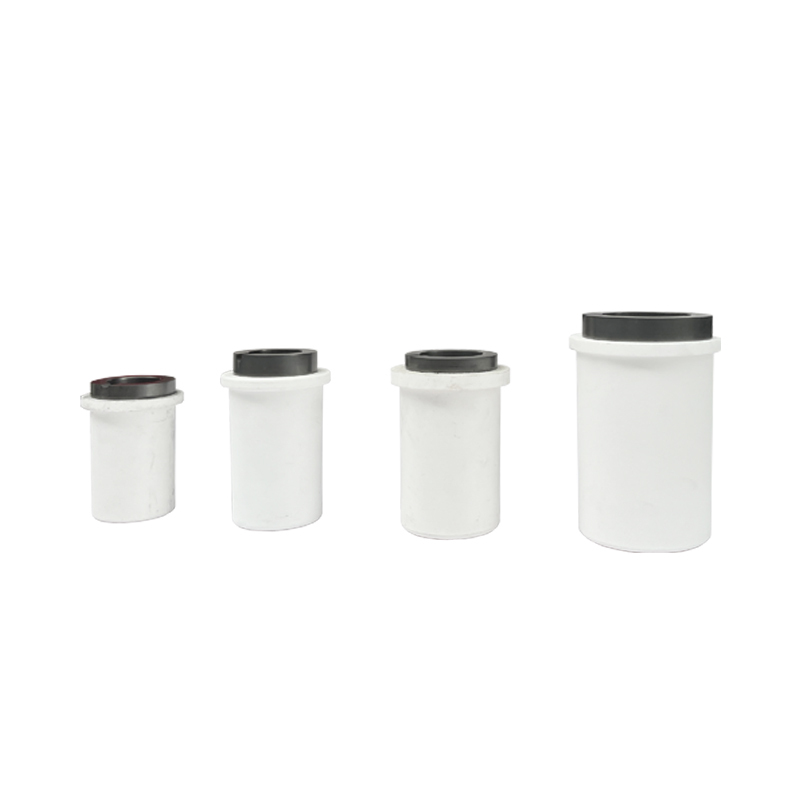

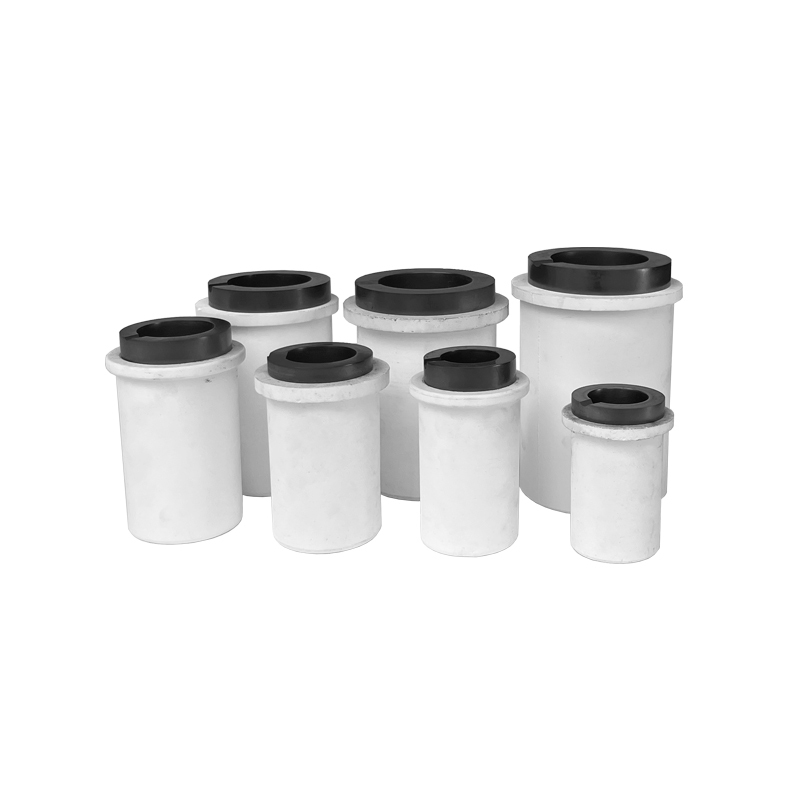
High Purity: The SiO₂ content of Taeantech high-purity quartz shell is as high as 99.99%. It will not introduce impurities into the molten metal during the use of metal smelting, ensuring the purity of the molten metal.
Thermal Stability: The highest temperature resistance of the high-purity quartz shell exceeds 1800℃, with excellent high temperature resistance, not easy to crack, and protect the graphite crucible.
Chemical Stability: The high-purity quartz shell shows good chemical stability to most acids, alkalis and salts. It does not react chemically with these substances, thus ensuring the long-term stability of the shell in harsh chemical environments.
Electrical Insulation: High-purity quartz is an excellent electrical insulating material with high resistivity. Therefore, the high-purity quartz shell can be used as an insulating layer or isolation piece in metal melting furnace equipment to effectively prevent current leakage or short circuit.
High Strength: The high-purity quartz shell is not easy to deform at high temperatures, which means that its size changes little in high or low temperature environments. This helps to maintain the accuracy and stability of the equipment, especially in occasions where precise control is required.
Lightweight and Durable: The high-purity quartz shell is very light, but has high wear resistance. It can withstand certain smelting losses and mechanical wear, has a long service life, and can be used 30-50 times depending on the use environment and frequency
Environmental Protection: High-purity quartz crucibles are mainly made of high-purity silicon dioxide (SiO₂), which is a non-toxic and harmless natural mineral. During the production and smelting process, no harmful substances are produced, which is harmless to the environment and human health.


Above 1800℃ sits inside its working range: the quartz shell resists temperatures exceeding 1800℃ and keeps its shape under that heat. On a quartz shell for platinum casting machine duty, that headroom means the shell is rarely your limiting part — your furnace cycle and investment are. If you run alloys near the ceiling, bring the shell up to temperature with the crucible instead of dropping it in hot.
Nothing from the shell enters your melt: it is 99.99% SiO₂, so no impurities reach the molten metal during melting or casting. That matters most on platinum and bright gold, where a trace of contamination sends you back to refining. Ask the supplier for the purity figure in writing rather than "high purity" alone, and store shells away from investment powder so stray grit never touches the surface.
Expect roughly 30–50 uses from one shell before mechanical and smelting losses retire it. Your real number depends on handling and how hot you run: knocks during flask removal cost more cycles than heat does. Keep a spare set on the shelf so a cracked shell never stops a casting day, and buy that spare from the same quartz shell supplier so the grade and fit stay consistent.
Yes — the shell insulates electrically, and that is what stops current leakage finding a path around your heating circuit. In induction and vacuum casting setups it matters for operator safety and for steady power draw. Keep the outside of the shell dry and free of metal splash, since a damp or contaminated surface is where leakage starts. Check each shell for chips before it goes in, and retire it once the surface breaks down.
It keeps its shape under high heat, and its high strength holds deformation down over repeated cycles, so the crucible seat stays true instead of sagging late in the shell's life. Fit is the one thing to settle before you order: give us your crucible seat diameter, wall thickness requirement and a drawing or sample, and we will confirm the matching shell. Do that first, then set your cycle count.
Our engineers give one-on-one teaching guidance from the day you buy, walking you through the shell in your own process rather than leaving you with a manual. Use it properly: tell them your metal, your peak temperature and how long each cycle runs, and they will tell you how to load, heat and cool. Ask them to look over your first few cycles — shell life is usually won or lost there.