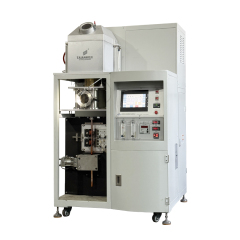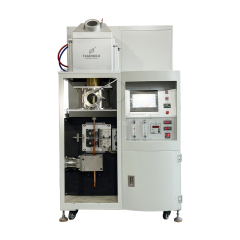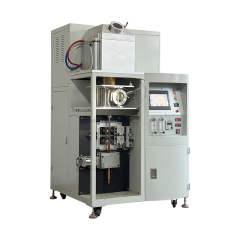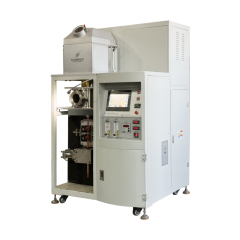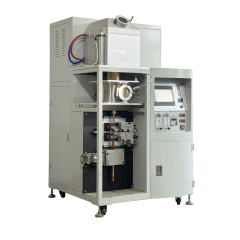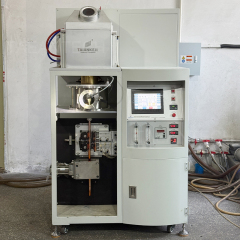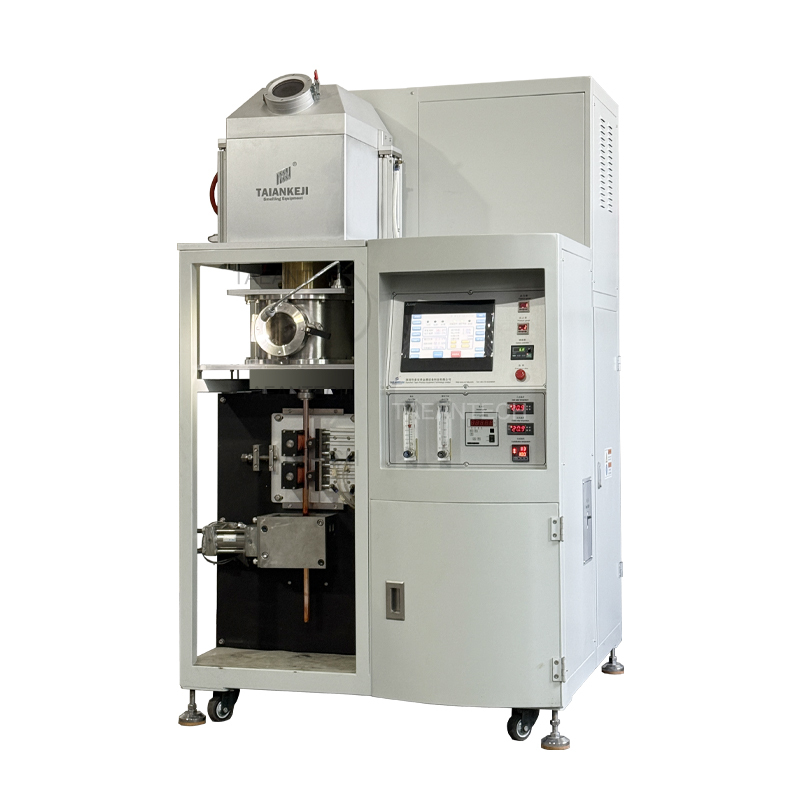
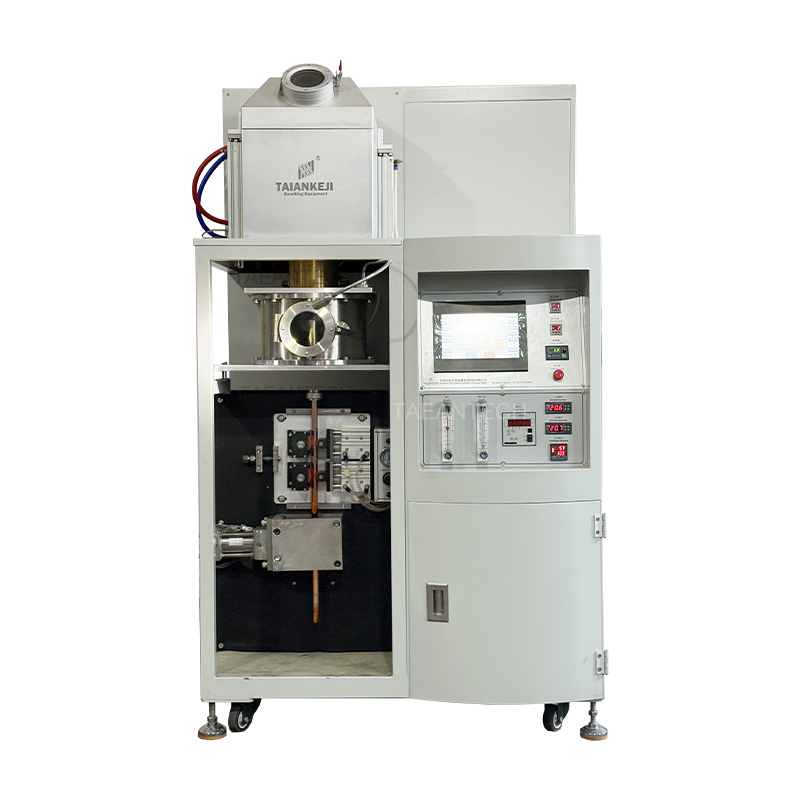
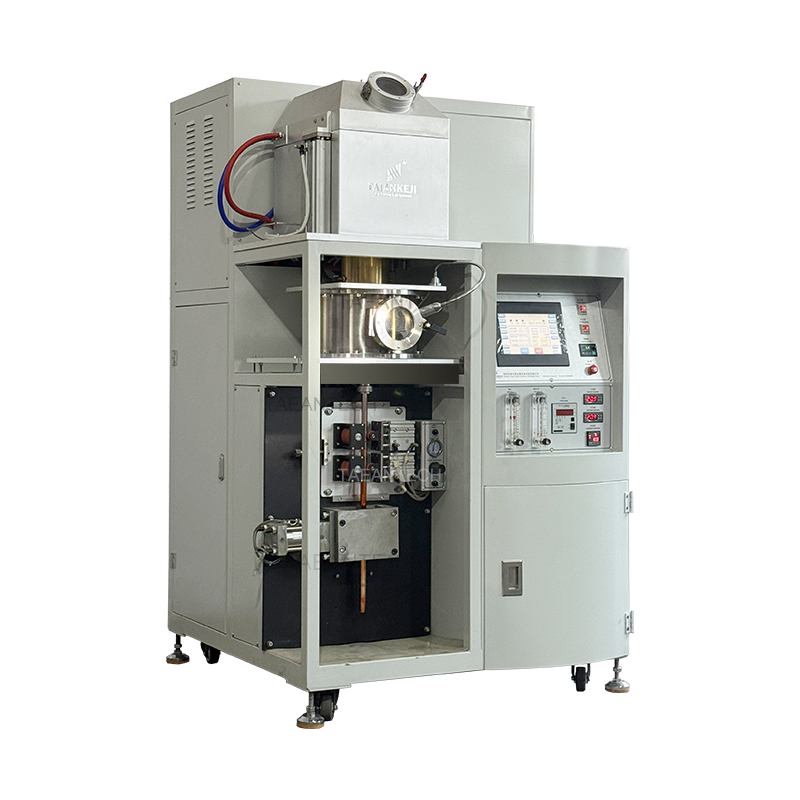
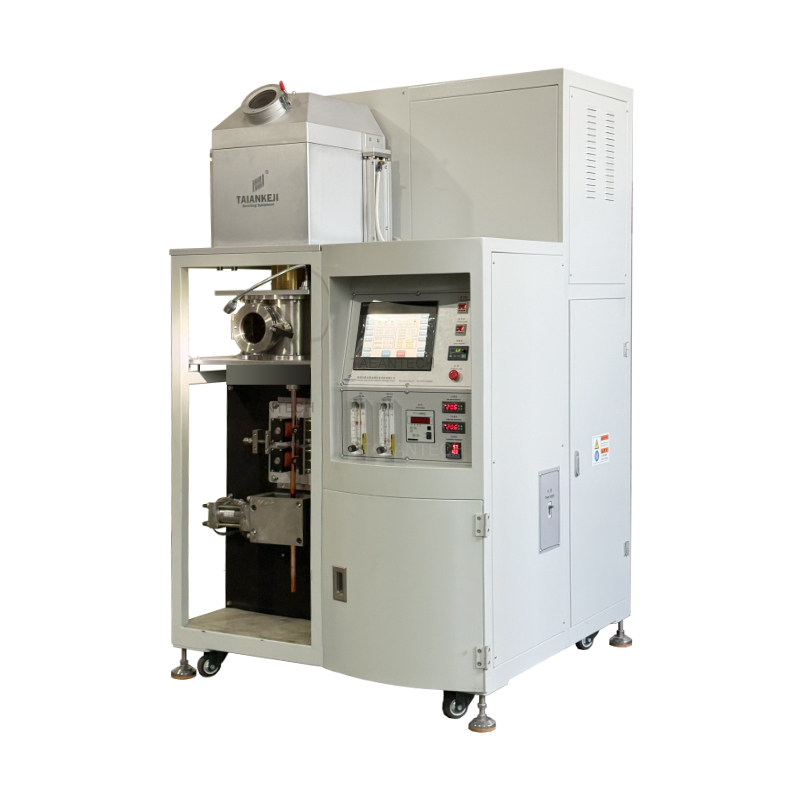
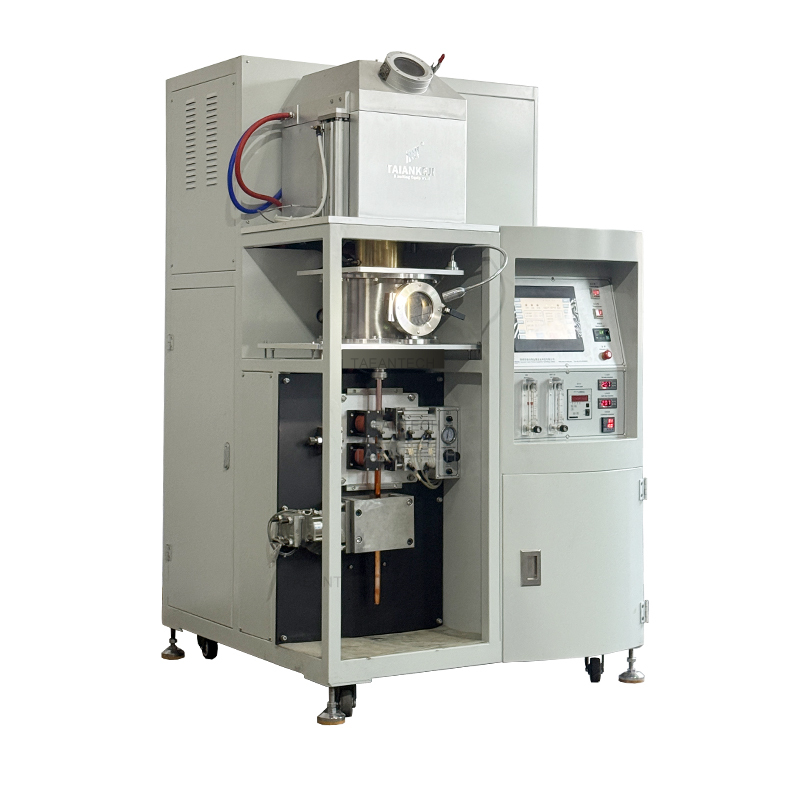
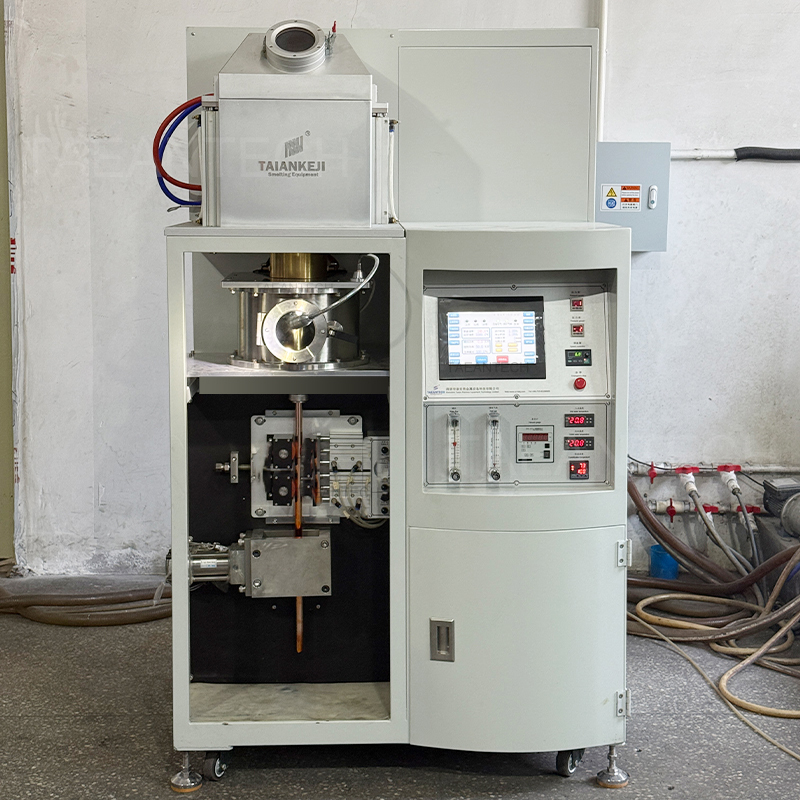
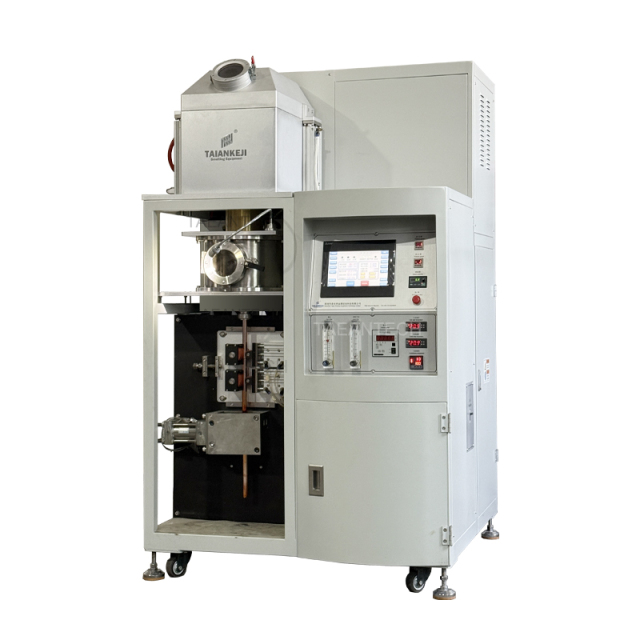
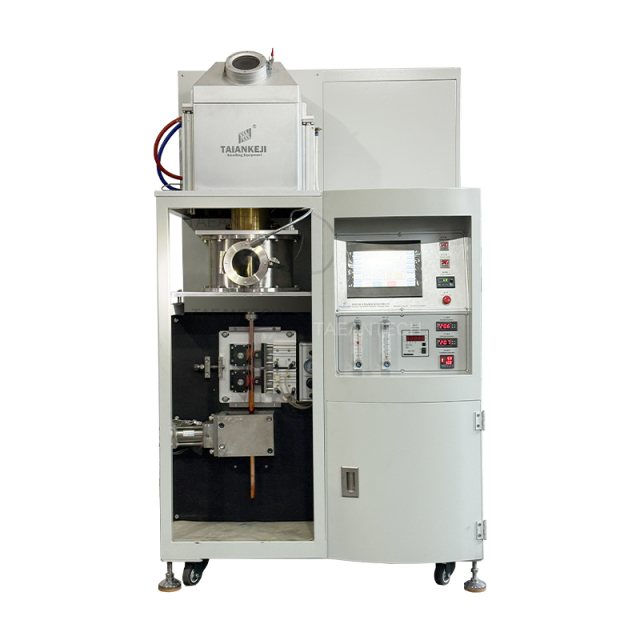
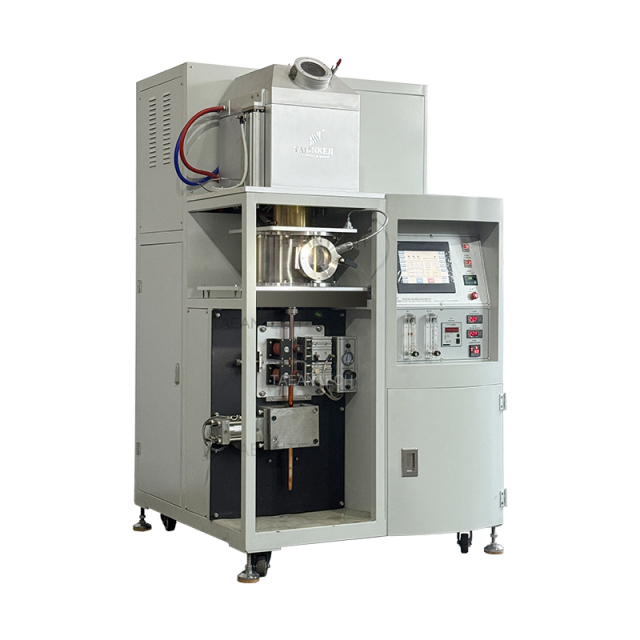
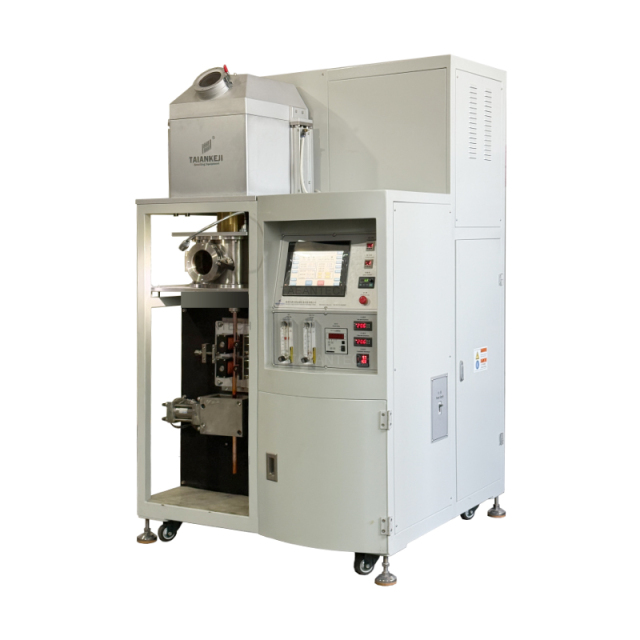
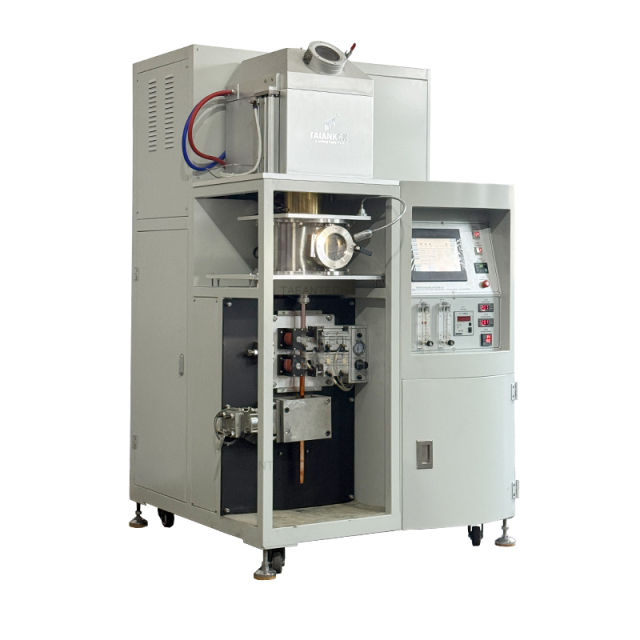
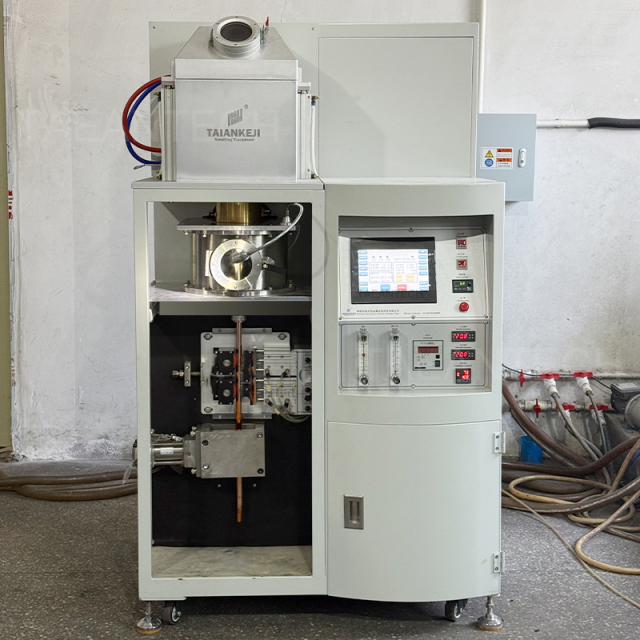
Yes. This 50kg vacuum continuous casting machine for gold silver and copper is built for continuous operation, with up to 50 kg per batch and minimal operator intervention between cycles. That suits a shop running repeated heats rather than one-off pours. Before you commit, plan your melt schedule and keep dedicated crucibles per metal so copper does not contaminate a gold batch. Ask how quickly the chamber can be cleaned and reloaded between grades.
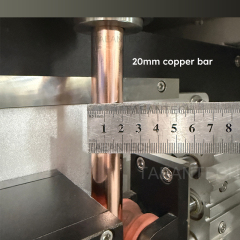
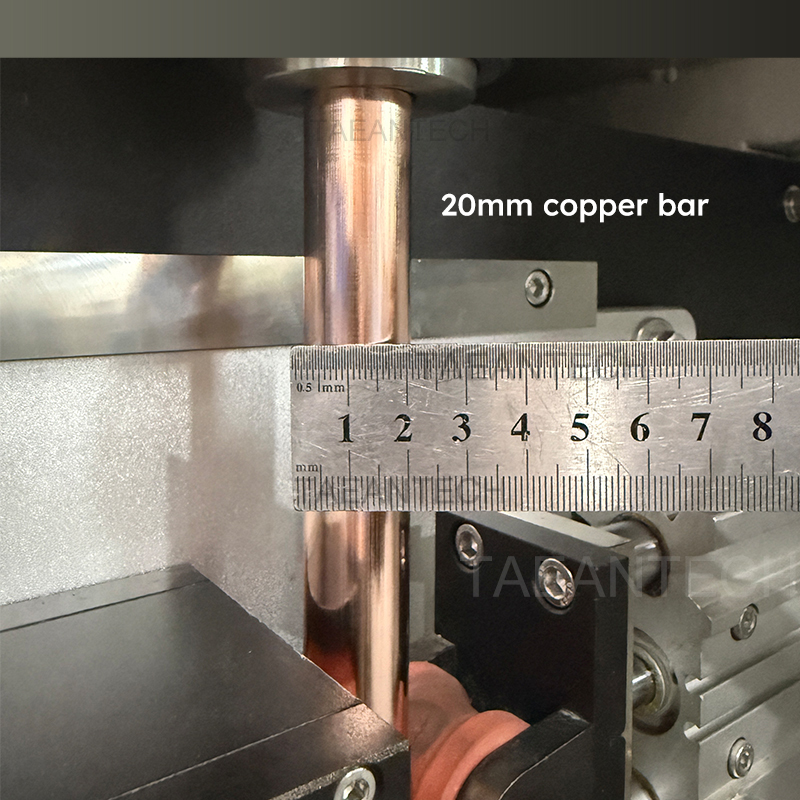
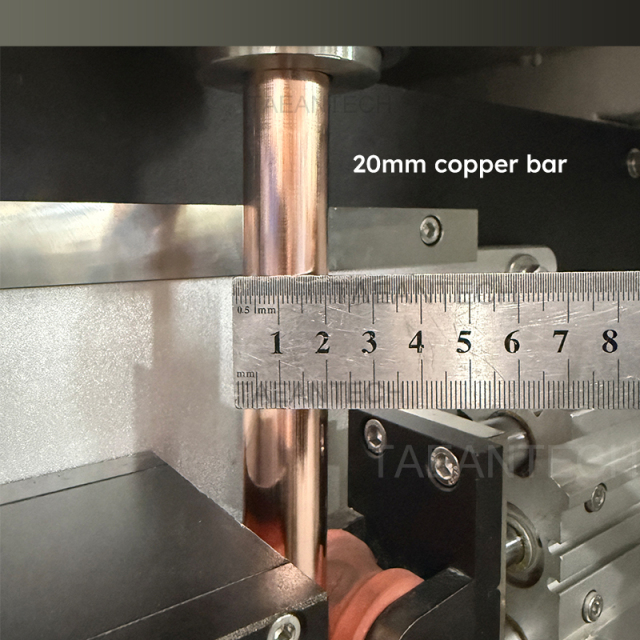
It is. The machine produces smooth, dense castings for industrial and jewelry applications, with output in rods, plates, and strips. For jewelry work that means you can cast your own stock rather than buying it in, then roll or draw it down. The 50 kg batch size suits a production shop more than a small studio, so match it to your weekly metal throughput. Check that moulds for the sections you need are available for this platform.
Yes. Inert gas under vacuum keeps oxidation and surface defects out of your castings, and that clean atmosphere is what gives you sound metal flow and a good surface. Your job is to keep it reliable: use dry, clean gas and check door seals and hose connections before each campaign. A leak shows up as discolouration or roughness on the casting, so inspect the first pieces from every run rather than assuming the vacuum is holding.
No. The human-machine interface and PID controller monitor and adjust heating automatically, so the machine runs continuous operation with minimal operator intervention. Your operator sets the recipe, watches the alarms, and steps in only when the process drifts. That reduces fatigue on long runs but does not remove the need for training: make sure whoever runs it understands the overcurrent, overvoltage, and overtemperature alarms and knows where the emergency stops are. Assign one lead operator per shift.
Yes. The vacuum plus inert gas path produces reliable, dense castings with minimal porosity and surface imperfections. That is the point of casting under vacuum rather than in air: gas entrapment drops and the structure comes out uniform. Your results still depend on mould temperature and cooling, so run a small batch first and cut a section to check density before you scale up. Keep your melting and pouring parameters recorded for each alloy.
You get a one-year free warranty from the date of purchase, and as the continuous casting machine manufacturer we provide professional engineers for one-on-one teaching guidance. Use that guidance early: have your operators walk through the HMI, the PID settings, and the alarm responses before you run production heats. The warranty covers the machine, but it does not replace a spare-parts plan, so list the consumables you will need and keep them on site.